
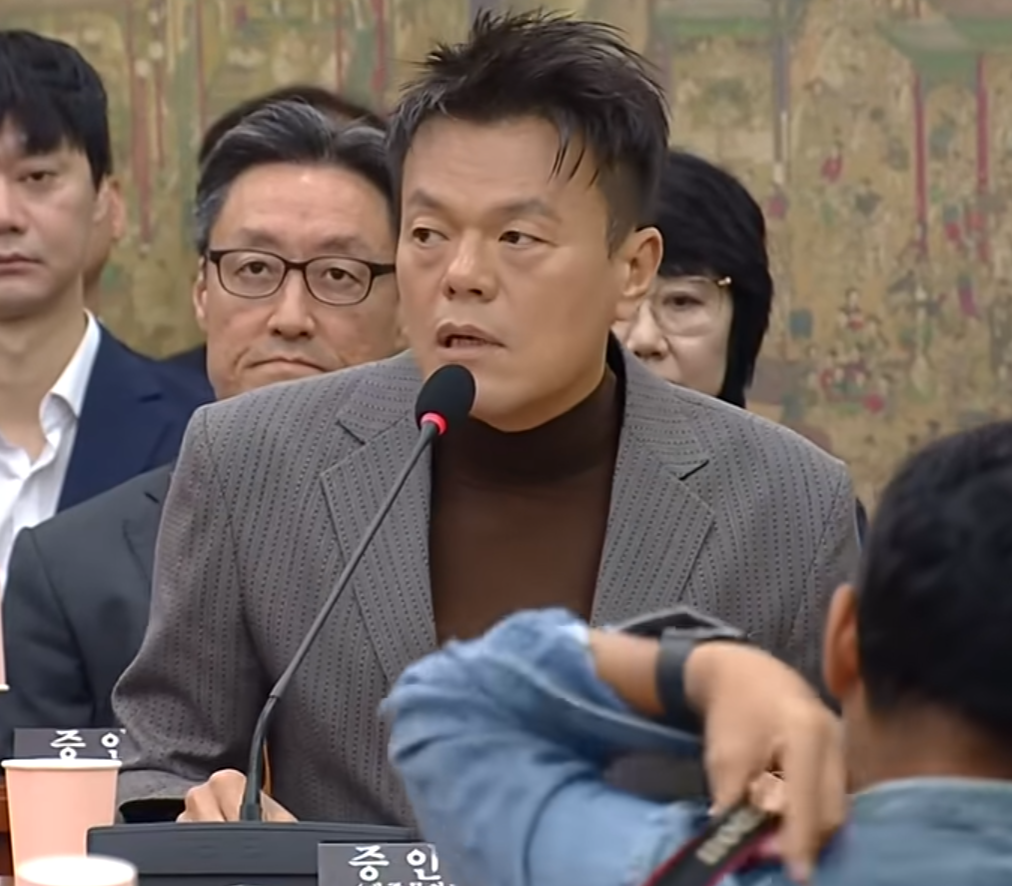
Park Jin-young, widely known as J.Y. Park, is the founder of JYP Entertainment. He appeared as a witness before South Korea’s National Assembly on October 7, 2026. Lawmakers questioned him about his role in a government-backed cultural initiative, expense payments connected to that role, and the planned K-pop event FANOMENON.
The hearing focused on how the project is being organized, how its trademarks are being handled, and whether the arrangement could provide particular advantages to major entertainment companies.
Why Was Park Called to the National Assembly?
Park is the founder and chief creative officer of JYP Entertainment. He also serves as co-chair of the Presidential Committee on Popular Culture Exchange, which works on initiatives intended to promote Korean popular culture internationally.
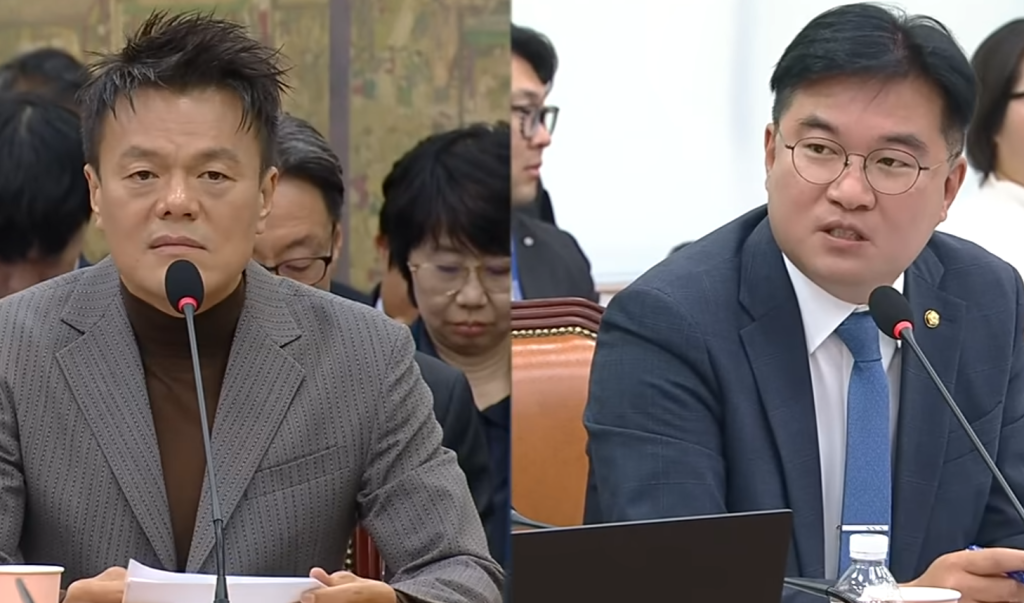
During a parliamentary audit of the Ministry of Culture, Sports and Tourism, lawmakers questioned Park about his committee role and FANOMENON, a planned large-scale K-pop and culture event.
The questions included whether the project was being managed transparently and whether the participation of the country’s largest entertainment companies could raise concerns about preferential treatment.
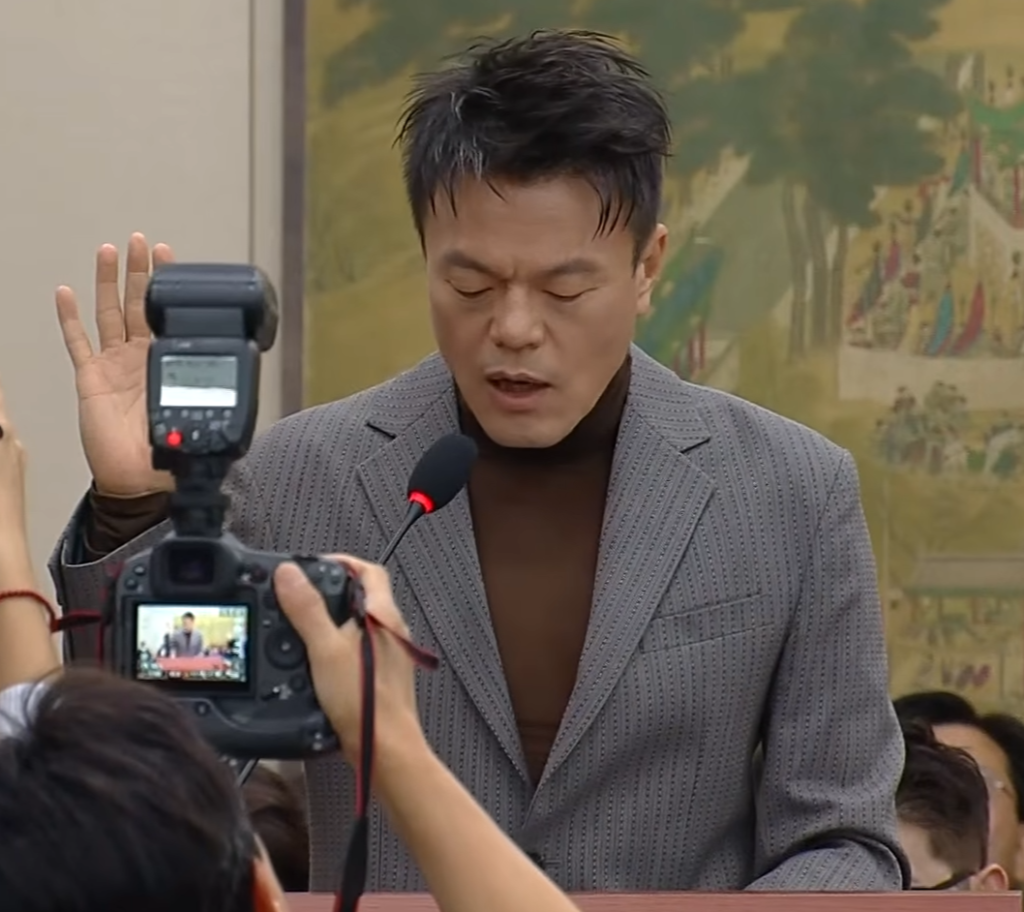
The Question Over Monthly Expenses
One issue concerned Park’s previous descriptions of his committee work as unpaid service.
People Power Party lawmaker Bae Hyun-jin said government payment records showed that Park received approximately 2 million won (about US$1,400) per month in duty-related expenses. Questions were also raised about support for overseas travel and staff.
Park said he had not known that the monthly expense payment was being provided. He stated that he was willing to return the money because he did not want the payments to raise doubts about his commitment to the role.
The issue raised questions about the distinction between serving without a salary and receiving expense-related support.
However, receiving expense payments does not by itself establish that a law or regulation was violated. The allegations and explanations discussed at the hearing should be distinguished from any formal finding of wrongdoing.
What Is FANOMENON?
FANOMENON is a planned large-scale K-pop and Korean culture event scheduled for December 2027. The proposal includes concerts, a fan-voted awards ceremony, exhibitions and other cultural programs.
JYP Entertainment, HYBE, SM Entertainment and YG Entertainment are involved in the project through a planned dedicated company.
Park said the four companies had agreed to contribute equally and hold equal voting rights in the company. He argued that the event was intended to benefit the wider Korean cultural industry rather than give special advantages to any single agency.
He also said the companies could potentially earn more by organizing separate concerts featuring their own artists instead of participating in the joint event.
These statements represent Park’s explanation of the project. Its eventual financial results and wider industry impact will depend on how the event is carried out.
Why Did the Trademark Issue Become Controversial?
Another major question concerned the FANOMENON trademark.
JYP Entertainment had filed trademark applications before the dedicated company responsible for the project was established. Lawmakers questioned why a company connected to Park had handled the filings and whether the arrangement could give JYP an advantage.
Park explained that JYP had experience handling trademark applications and acted because there was concern that another party might register the name first.
He also acknowledged that the method was not appropriate and apologized for the way the matter had been handled. The planned arrangement was intended to place the rights within the project’s broader structure rather than leave them exclusively with JYP.
The issue raised questions about transparency, ownership and the process used to establish the project. The filing of a trademark application alone, however, does not establish that the company acted unlawfully.
How Is the Event Expected to Be Funded?
According to explanations given by Park and the culture ministry, the event is intended to be led by the private sector rather than funded through a direct government budget allocation.
The proposed funding sources include ticket sales, sponsorships and broadcasting rights. A dedicated company is expected to manage preparations and operations.
The arrangement is intended to combine public-sector coordination with private-sector investment and management. Questions about accountability, ownership and the distribution of benefits remain important as the project develops.
What Happens Next?
The October 7 hearing brought several issues into public discussion: expense payments connected to Park’s committee role, the handling of FANOMENON trademarks, and the structure of cooperation between the government and major entertainment companies.
Park defended the purpose of the project and explained the decisions made during its preparation. Lawmakers, meanwhile, raised questions about transparency and the possibility of preferential treatment.
The distinction between questions raised during parliamentary oversight and conclusions established through evidence is important. The hearing documented concerns about how the project was being managed, but those concerns should not automatically be interpreted as proof of illegal conduct.
As FANOMENON moves toward its planned 2027 launch, further information about its governance, funding, trademark arrangements and actual results will help clarify whether it achieves its stated goals.
Source: Yonhap News Agency, October 6, 2026; The Asia Business Daily, October 7, 2026
Additional Sources: Korea JoongAng Daily; Seoul Economic Daily
Category: Society, Entertainment
Published: October 9, 2026