
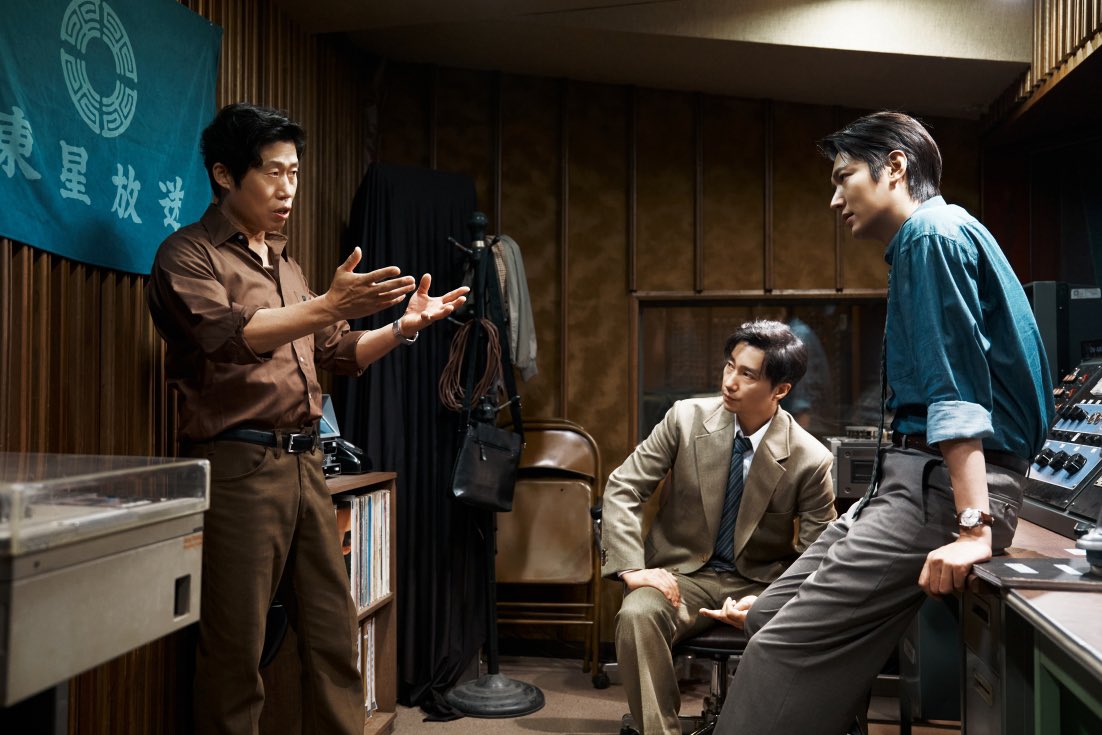
A new South Korean film has sparked a nationwide debate about history, politics and freedom of artistic expression.
The Assassin(s), directed by Hur Jin-ho, is a historical political thriller inspired by the 1974 assassination attempt on then-President Park Chung-hee. The film has faced criticism over its portrayal of the incident, while some actors who praised it have also received negative comments online.
The controversy has grown beyond the film itself, raising questions about how filmmakers can portray sensitive historical events and where the boundaries of public criticism should lie.
What Is The Assassin(s) About?
Released in South Korean cinemas on September 23, 2026, The Assassin(s) is based on the events of August 15, 1974, when an assassination attempt on President Park Chung-hee resulted in the death of his wife, Yuk Young-soo.
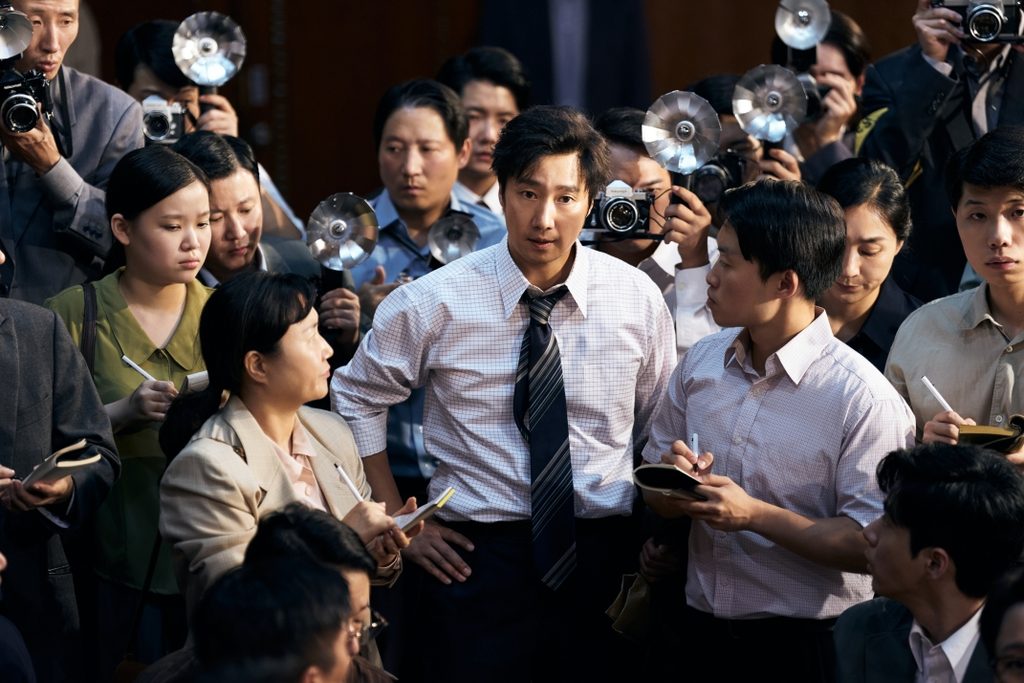
The film stars Yoo Hae-jin as a detective, Park Hae-il as an experienced journalist and Lee Min-ho as a young reporter. Park Jung-min also appears as Moon Se-gwang, the man held responsible for the shooting.
The story explores the investigation and raises questions about whether other people or institutions may have been involved in the incident.
This interpretation has become the central point of the controversy.
Why Are Some People Criticizing the Film?
The main criticism concerns the film’s suggestion that the assassination attempt may have involved people beyond Moon Se-gwang.
The established account identifies Moon as the person responsible for the fatal shooting. Critics argue that suggesting possible involvement by figures within the government or presidential administration risks distorting a sensitive historical event.
Some conservative politicians and groups have strongly criticized the film. The Park Chung-hee Foundation also expressed concern about its historical portrayal and called for an apology and the suspension of screenings.
The filmmakers, however, have rejected the accusation that they intended to rewrite history.
What Have the Filmmakers Said?
The production team said the movie is a work of fiction inspired by historical records. According to its statement, the film was not made to deny established historical facts or promote a specific political position.
The team also explained that the film does not identify a particular individual as the person behind the assassination attempt.
The distinction is important: a fictional film can explore possibilities and dramatic interpretations, but those interpretations should not automatically be treated as established historical facts.
Whether the film’s approach is convincing or appropriate remains a matter of public debate.
Why Did Lee Young-ae and Kim Go-eun Face Backlash?
The controversy also spread to actors who attended a VIP screening of the film.
Actresses Lee Young-ae and Kim Go-eun shared positive handwritten reviews after watching it. Lee described the experience as moving, while Kim wrote that the film made her feel grateful for the present.
After the historical controversy intensified, both actresses received critical comments on social media from people who disagreed with their praise for the film.
Their comments were personal reactions to a movie. They did not, by themselves, establish that they endorsed every historical interpretation presented in it.
The backlash illustrates how a dispute over a film can extend to people who watch or publicly discuss it.
Film Festival Events Were Affected
The controversy also affected promotional activities surrounding the film.
The film’s distributor announced that cast members would not attend certain events at the Busan International Film Festival, citing safety considerations. An audience event featuring Lee Min-ho was also canceled.
The dispute prompted concerns about whether public criticism of a film was turning into pressure on its cast and creators.
South Korea’s culture minister, Chae Hwi-young, defended freedom of artistic expression during a parliamentary audit on October 7. He said the government should not interfere with the content of creative works, while noting that people who believe they have suffered serious defamation can pursue legal procedures.
Filmmakers Call for Audiences to Decide
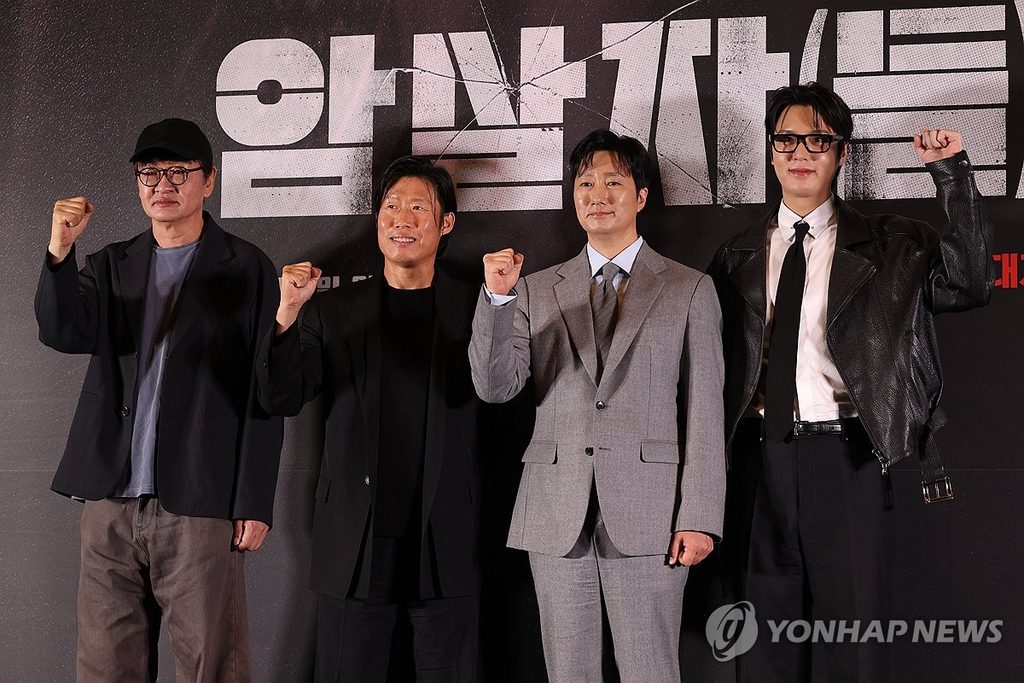
On October 8, a group of South Korean directors and film industry figures called for an end to attempts to turn the controversy into a political conflict.
They argued that audiences should be able to judge the film themselves, rather than assuming the filmmakers’ intentions or holding its cast responsible for disputed interpretations.
The Singapore International Film Festival also confirmed that The Assassin(s) would remain its opening film. The festival said it had selected the movie through an independent process based on its artistic merit.
These developments show that the debate is no longer limited to the film’s historical accuracy. It has also become a discussion about creative freedom, political disagreement and the treatment of artists.
A Debate About History and Creative Freedom
The controversy surrounding The Assassin(s) reflects a difficult question: how should filmmakers tell stories inspired by real events that remain politically sensitive?
Critics argue that films about historical tragedies should handle established facts carefully. Supporters of creative freedom argue that filmmakers must be able to explore interpretations and unanswered questions without facing intimidation.
These positions are not necessarily mutually exclusive. A film can be open to criticism while its creators and actors remain entitled to personal safety and freedom of expression.
The debate is continuing, and the film’s reception will depend partly on how audiences assess its storytelling and historical interpretation.
For now, the controversy highlights the continuing influence of South Korea’s modern history on its politics and popular culture.
Source: Yonhap News Agency, September 29–October 8, 2026
Additional Sources: The Straits Times; Maeil Business Newspaper
Category: Entertainment
Published: October 12, 2026